
Matthews, NC · Shops, offices, restaurants and small buildings
Commercial plumbing in Matthews, NC: keeping restrooms, kitchens and water lines working
A restroom is out of service, a floor drain is backing up or the kitchen line is slow in the middle of the lunch rush? Call (833) 571-0120 and tell us what the building is and what stopped working.
A business cannot close for a clog. This page covers what to sort out before a problem hits, and what to ask for when one does.
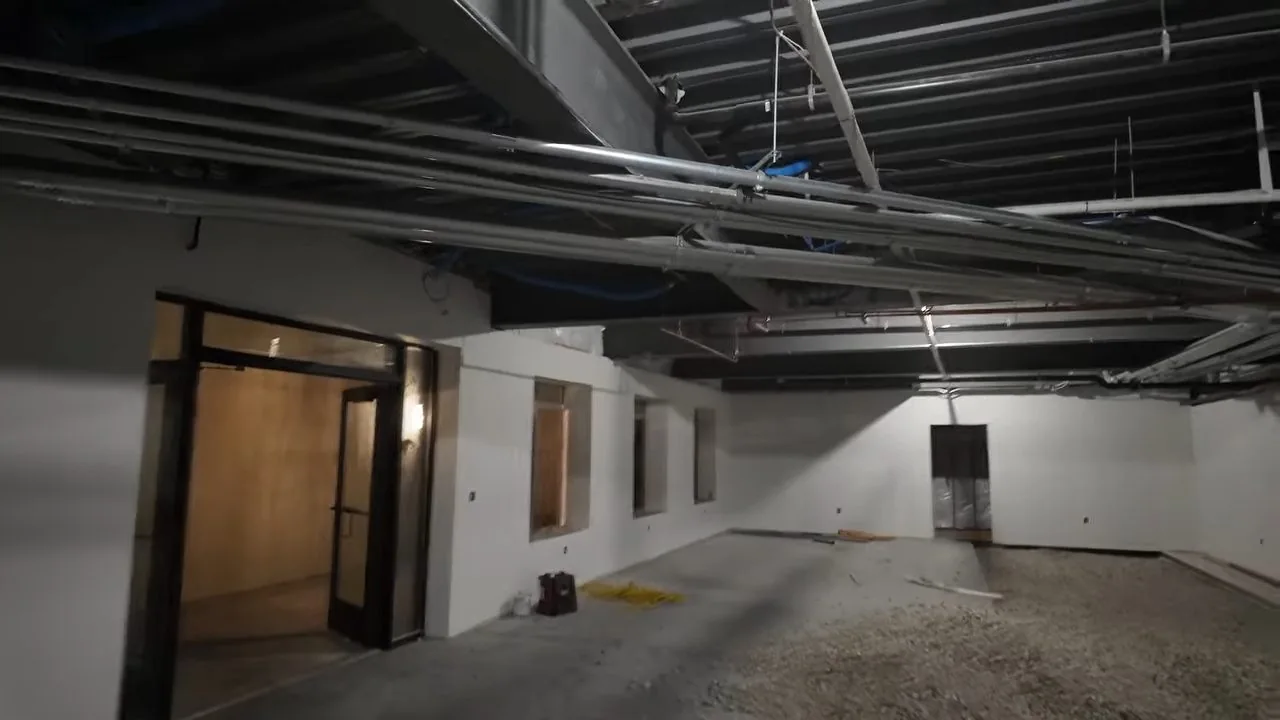
Who owns the problem: you, your landlord or the city?
In a leased space, the answer sits in the lease. Read it before you pay for a repair and before you hire someone.
- The tenant usually handles fixtures inside the space, such as sinks, toilets and floor drains.
- The landlord often handles shared lines, risers and the building main. The lease may say otherwise.
- For a backup that reaches the street, Charlotte Water handles the public main and the property owner handles the private line.
Charlotte Water says that if a blockage is in your private plumbing, the city cannot assume responsibility for it or its repair. When a shared line is involved, tell the property manager at the same time you call a plumber, and photograph the problem.
Commercial plumbing Matthews businesses rely on covers restrooms, kitchens and water lines, and who pays for a repair often depends on who owns the pipe.
Scheduled visits or calls only when it breaks?
On-call service means you pay when something fails, usually at the worst moment. A scheduled maintenance visit costs time up front and aims to catch trouble before customers see it.
The right choice depends on the building. A restaurant with a grease line, a medical office and a small retail unit have different risks.
Tell us about the building and how often something has gone wrong. We will suggest what to check.
Call (833) 571-0120What a maintenance visit should look at
Ask for a written list of what was checked. A useful visit covers the points below, and each can be done without shutting the business down.
- Visible leaks under sinks, around toilets and at water heater connections.
- Floor drains and cleanouts: whether they drain freely and can be reached.
- Water heater relief valve and drain: whether it is in order.
- Restroom fixtures: running toilets, loose flush handles, slow faucets.
- Any grease handling equipment: pumping records and condition.
- Shutoff valves: whether each one turns, and whether staff know where they are.
For a drain that has been slow for months, see clearing slow drains. For a leak you cannot see, see leak detection.
Kitchens and grease: the Charlotte Water rules that apply to you
If you run a kitchen, the grease rules matter more than the plumbing. Charlotte Water’s grease trap policy says food service establishments must prevent grease and oil from entering the sewer, and that grease handling needs authorization under its Grease Control Program. New food service establishments must install a grease interceptor of at least 1,000 gallons total capacity unless otherwise approved.
The policy also sets maintenance: outside traps should be pumped quarterly and small under-the-sink traps monthly, or at Charlotte Water’s discretion. Pumping must be done by a hauler approved by Charlotte Water.
Keep an on-site file with pumping logs, receipts and maintenance records. The policy says records are kept for three years and must be available for Charlotte Water review.
A plumber clears and repairs lines. The pumping is the hauler’s job. Questions about your establishment go to Charlotte Water’s Grease Control Program at 704-336-4407.
Restrooms: the calls that come up most
A restroom problem becomes a customer problem within the hour. The usual calls are a toilet that will not flush, a running toilet that is raising the water bill and a sink that backs up.
A running toilet is the easiest to miss. A flapper that does not seal can run for days with no visible leak, and the water goes down the drain. Ask staff to report any toilet that runs after flushing.
A toilet that overflows should have its supply valve closed at the wall. The valve is usually a small oval handle behind the bowl, and staff should know it exists.
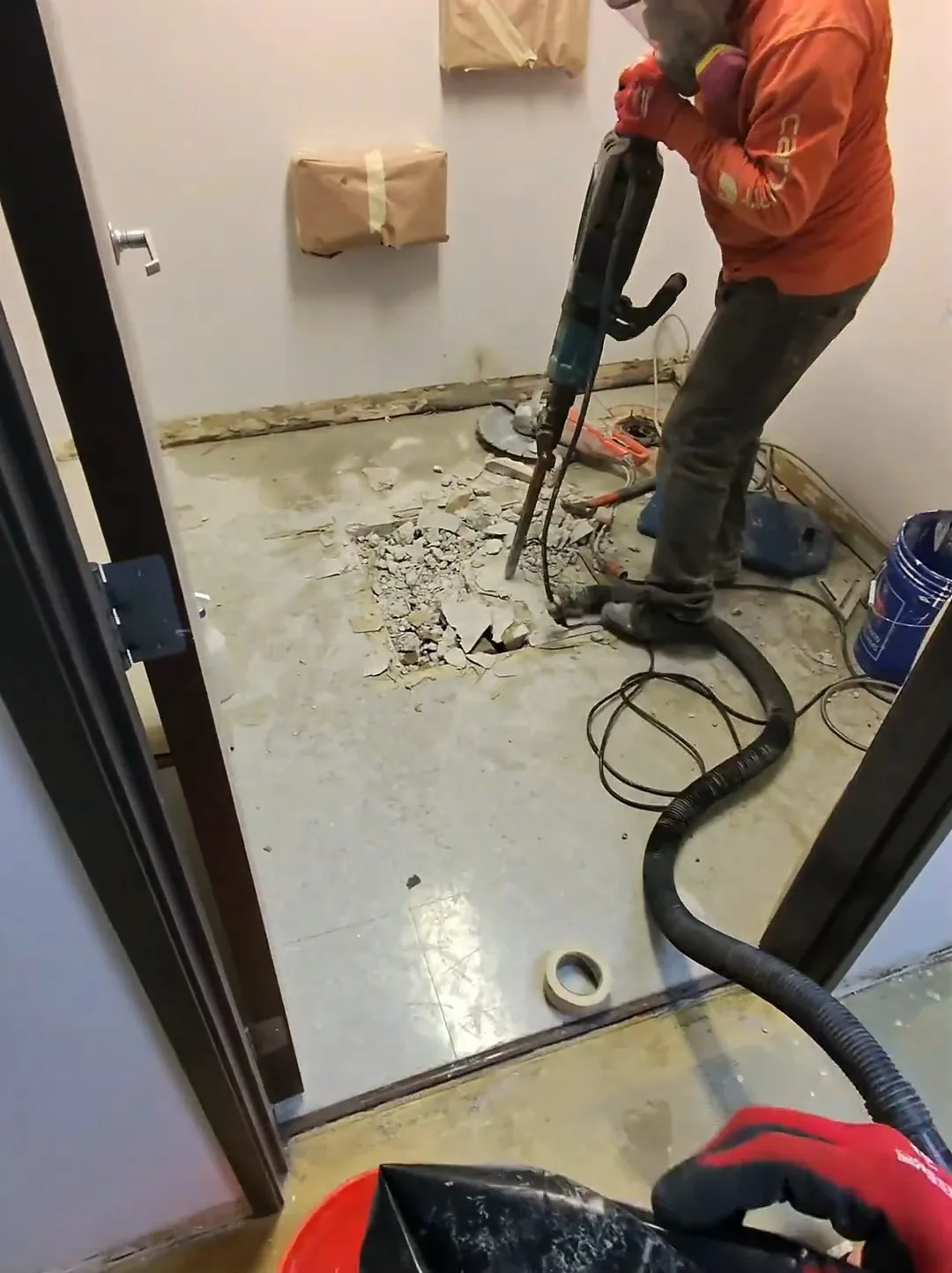
Questions to ask before signing a plumbing maintenance agreement
A maintenance agreement is a contract, so read it as one. These questions cut through the sales language.
- What is covered, in writing, and what is billed separately?
- How often are visits, and who confirms what was checked?
- What happens when something fails between visits?
- Does the plan include grease line and floor drain checks if you serve food?
- Who holds the license, and can you see it before work begins?
- How do you end the agreement if it is not working?
Want to talk through what your building needs? Call and describe it.
Call (833) 571-0120Ask how the plumber records what was found. A visit report that names each fixture checked, the condition found and the next step gives you something to show a landlord, an insurer or an inspector. A verbal all-clear does not. Ask also who you call between visits, and whether that person knows your building. A plan you cannot reach when a restroom backs up is not much of a plan.
Permits, licensing and who may do the work
North Carolina defines the business of plumbing contracting by the work done for pay, and the plumbing license law is G.S. 87-21. Ask any contractor you hire for the license information before work begins.
Commercial plumbing changes often need a permit. Ask the plumber whether yours does and who files it, rather than assuming either way. If you are opening a new space, ask before the build-out, not after.
For a restaurant or any kitchen, ask early about the grease interceptor and the authorization that Charlotte Water requires. Learning that after the walls are closed turns a small question into an expensive one.
Keep a copy of every invoice and permit with the building records. The next tenant, the next owner or an inspector may ask for them.
When a business cannot wait: burst pipes and backups
Know where the master valve is and make sure a second person knows too. Close it, move stock and equipment out of wet areas and call.
For a pipe that has split, see burst or broken line repair. If the floor is wet, commercial water damage restoration dries the space. Photograph the damage for your insurer and keep a record of what was lost and when.