
Matthews, NC · Water lines under a concrete floor
Slab leak detection and repair in Matthews, NC: finding a leak you cannot see
A warm spot on the floor, the sound of running water with everything off or a bill that makes no sense? Call (833) 571-0120 and describe what you have noticed. Those are the signs that point to a line under the floor.
Not every Matthews house sits on a slab. If yours does, a leak below the floor is found by testing and not by guessing, and the repair can go three different ways.
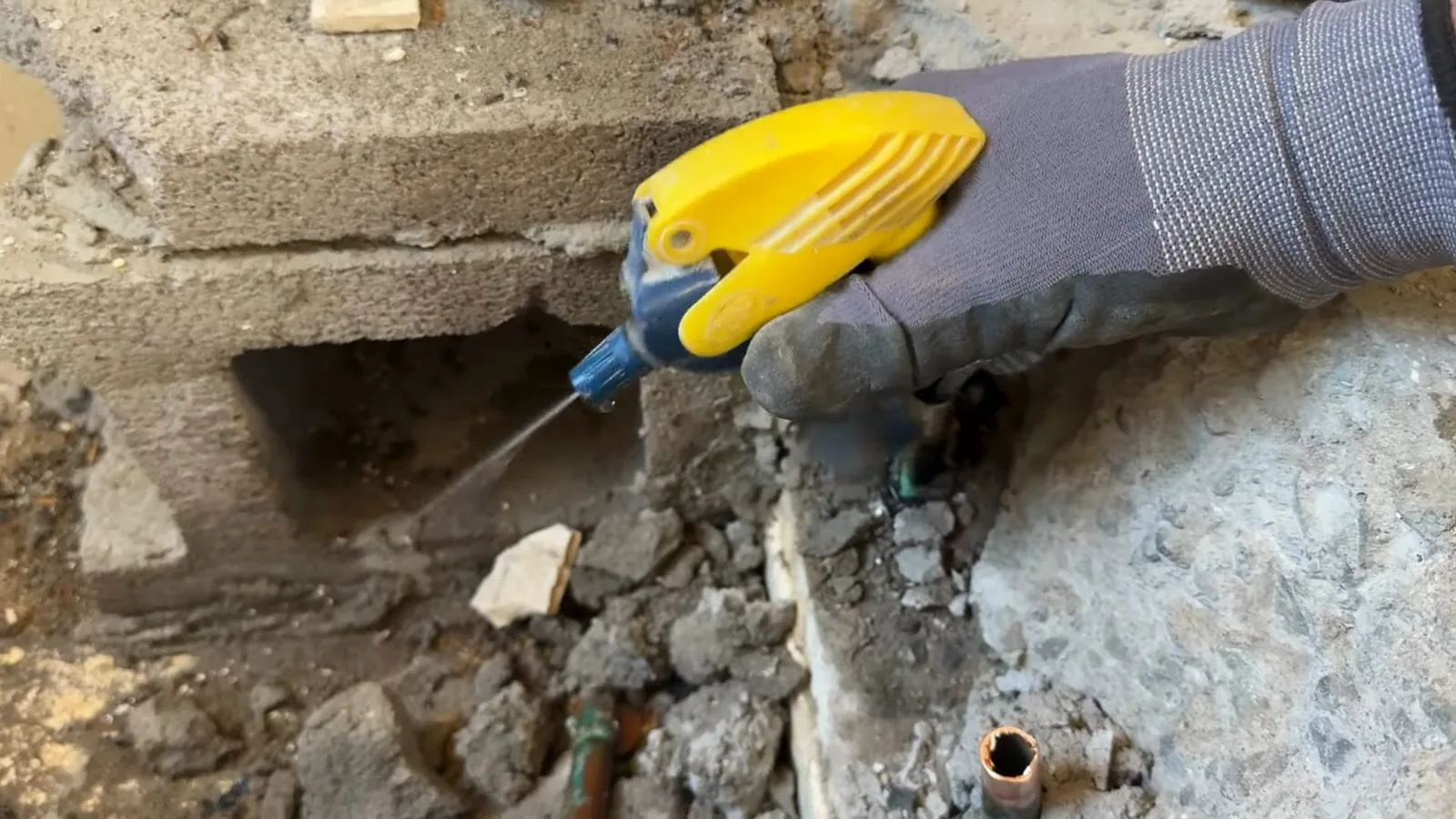
Signs the leak is under the floor
- A warm or hot patch on a floor, often along a hot water line.
- Water running sounds when every fixture is off.
- A water meter that moves when nothing is on.
- Damp carpet, lifting flooring or a musty smell with no visible source.
- Low pressure at several fixtures at once.
- A bill that jumps and stays up for more than one cycle.
Any one of these has other causes. Two or three together, plus a moving meter, point toward a pipe you cannot see.
Do you actually have a slab? How to tell before you call
Whether your house sits on a slab, over a crawlspace or on a basement depends on the house, not on Matthews. Foundation type varies from house to house, so this page does not assume one.
Look at your home. Concrete at ground level with no crawl access under the floor suggests a slab. A hatch or vent grilles at the foundation suggest a crawlspace. If you are not sure, tell the plumber what you see and they will confirm it.
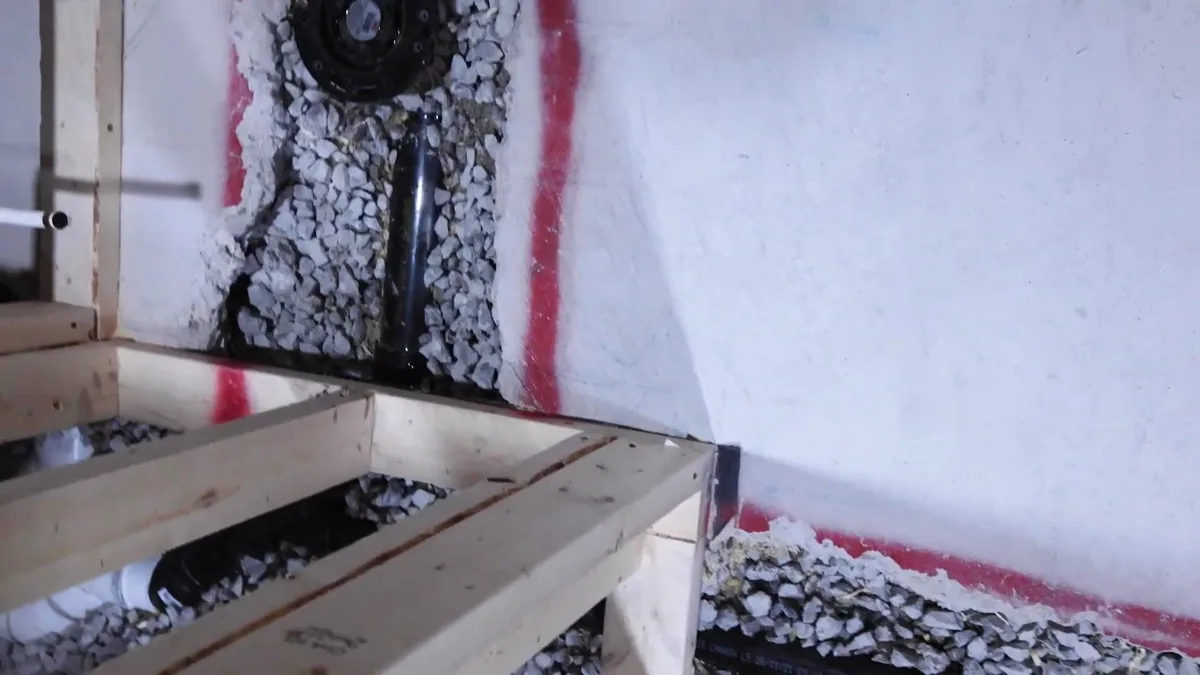
The meter test, then the detection
Start with the meter test explained under water leak detection: turn everything off, read the meter, wait and read again. If it moves, water is going somewhere.
Charlotte Water says leaks inside a building or between the meter and the building are for a plumber, and leaks past the meter outlet are the customer’s to repair. A line under a slab is on your side.
- Close the main valve and check the meter. If it stops, the leak is inside the house.
- Isolate sections, such as the hot side and the cold side, to narrow the area.
- Use acoustic listening and thermal imaging to pinpoint the spot.
- Confirm with a second method before anyone opens a floor.
- Get the written finding, with a diagram or photos of the location.
Ask which tools were used, because no single tool is certain. A good finding names the spot within a few feet and says how it was confirmed.
Three ways to fix a leak under the floor
| Method | What it involves | What to ask |
|---|---|---|
| Spot repair through the floor | Opening the floor over the leak and replacing the section | What happens to the flooring, and who restores it? |
| Reroute overhead | Abandoning the leaking line and running new pipe through walls or the attic | Which fixtures move, and how are walls patched? |
| Relining the pipe | Lining the line from inside without opening the floor, where the pipe allows | Can the pipe be lined, and does it fit this size and layout? |
Relining overlaps with the no-dig method described on relining a pipe from the inside, which mostly covers sewer pipes. The same footage and cleaning questions apply to a water line.
Ready to find out? Call and tell us what the meter and the floor are showing.
Call (833) 571-0120Ask the plumber to explain why a method fits your pipe. Rerouting runs a new line overhead or through walls and leaves the slab alone. Lining repairs the pipe from inside where access and pipe type allow. Breaking the slab goes straight to the leak. A plumber who can say why one method suits your house, and what each would cost to restore afterward, is giving you an answer you can compare.
When to think about the whole line, not just the leak
If the line under the floor has leaked once and the rest of the piping is the same age and material, another leak is possible. Rerouting the whole run is one answer. The larger question of replacing the supply piping throughout is covered under repiping the entire house.
Ask the plumber what the leak looked like. A pinhole in a thin copper wall suggests wear along the pipe. A damaged joint or an impact point suggests a single cause.
Slab leaks, soil washout and when to call an engineer
Water that runs under a slab for a long time can soften or wash out soil beneath it. If you see new cracks, floors that slope or doors that start to stick, tell the plumber, and ask whether a structural engineer should look.
The practical question for your plumber is how long the leak has probably run, based on the meter reading and the damage you can see.
Insurance, the bill and what to document
One insurer’s guide notes that standard policies generally cover sudden, accidental events and exclude long-term deterioration. It adds that resulting damage to walls and floors is often covered when the leak is, while replacing the pipe itself often is not. Your policy decides, so read it and ask your insurer.
Charlotte Water’s private side leak adjustment may reduce an inflated bill once the leak is fixed. It asks for a plumber’s statement, receipt or repair photos.
- Shut off the water if you can.
- Photograph and record damage before anything is moved.
- Call your insurer promptly.
- Keep the detection report, estimates and receipts.
- Do not discard removed pipe or flooring until the adjuster has seen it.
Slab leak detection visit: meter, listening and thermal camera
A detection visit is mostly listening and measuring. The plumber shuts the water off in sections, checks the meter, listens along the floor and may use a thermal camera to see temperature differences. None of this requires opening anything.
Expect to hear a clear answer at the end: the line, the approximate spot, and how the finding was confirmed. If you get only a general area, ask what else could narrow it down before you approve any work.
Questions to ask before you approve a repair
- Which method found the leak, and what confirmed it?
- How far is the leak from the nearest wall or fixture?
- Which of the three repair options fits this house, and why?
- How will the floor be restored, and who handles that?
- How long will the water be off?
- Is the rest of the piping the same age and material?
A confident, specific answer to each is a good sign. A rushed one is a reason to get a second opinion before anyone cuts a floor.