
Matthews, NC · Faucets, sinks, shower valves and hose bibs
Faucet and sink repair in Matthews, NC: stop the drip and fix the cause
A faucet that drips, a handle that sticks or a cabinet floor that stays damp? Call (833) 571-0120 and tell us which fixture and where the water shows.
Fixture leaks are among the easiest to fix and the most expensive to ignore. Water that drips behind a cabinet or a shower wall does damage before it shows.
What a small drip really costs
The EPA says a faucet dripping once a second can waste more than 3,000 gallons a year, and a showerhead leaking ten drips a minute can waste more than 500. It also says the average household leaks more than 10,000 gallons a year and that fixing easy leaks can cut bills by about 10 percent.
Those are national figures, so they are a reason to check, not a prediction of your bill. The point is that a small leak runs every day.
- Dry the cabinet floor and check it again in a day.
- Run each fixture and watch the supply lines and shutoff valves.
- Shut off the fixture’s own valve under the sink if it will not stop leaking.
- Photograph any damp wood or stains before you call.
Which fixture, which leak
| Symptom | Likely cause | Usual fix |
|---|---|---|
| Drip from the spout | Worn cartridge, washer or seat | Replace the worn part |
| Water under the handle | Worn seal or o-ring | Replace the seal or the cartridge |
| Wet cabinet floor | Loose or worn supply line, drain or trap | Tighten or replace the connection |
| Low flow at one faucet | Clogged aerator or cartridge | Clean or replace the part |
| Drip when the shower is off | Worn shower valve cartridge | Replace the cartridge or valve |
A fixture that is old, corroded or no longer sold in parts is often replaced rather than repaired. Ask for the choice and the reason.
Sinks, drains and traps
A sink that drains slowly has a clog in the trap or the line. A sink that leaks at the drain has a worn seal or loose nut. A cracked basin is a replacement. If water backs up from one sink only, the problem is local. If several fixtures back up, see drain cleaning or the sewer pages.
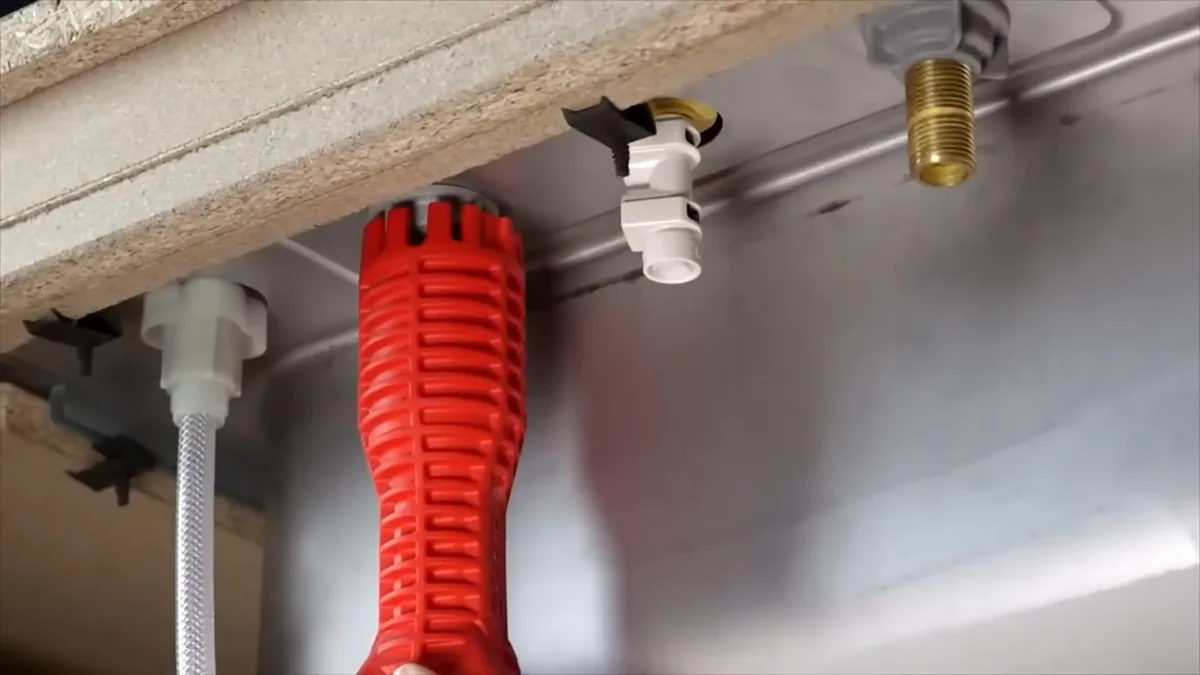
When you install a new sink or faucet, ask whether the shutoff valves and supply lines are being replaced too. They cost little and fail often.
Shower valves and bathtub spouts
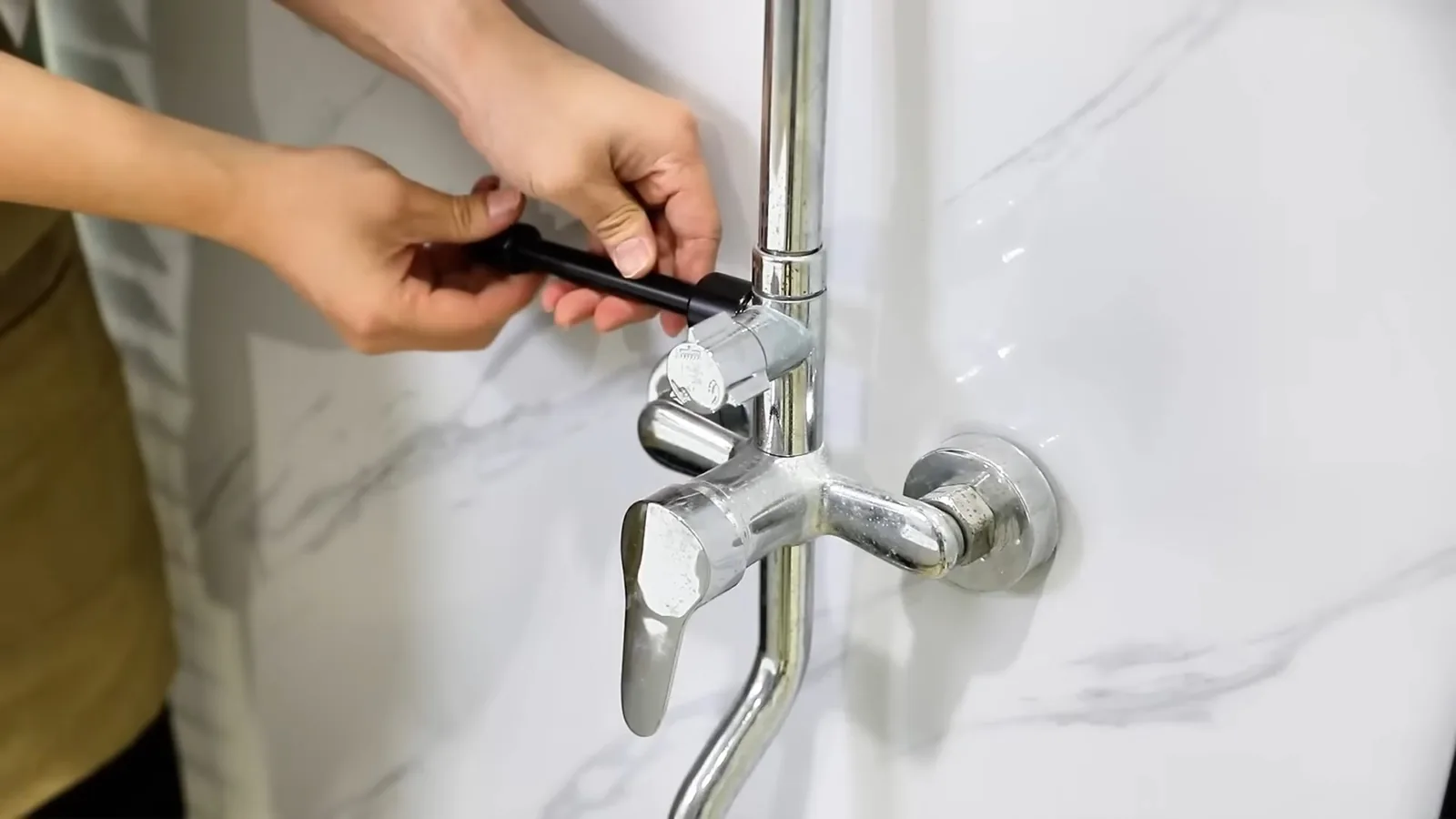
A drip from a tub spout or a shower head after the water is off usually points to a worn valve cartridge. A stain on the wall or ceiling behind the shower can mean the leak is inside the wall. In that case, see finding hidden leaks before anyone cuts into tile.
Ask the plumber how the valve will be reached: through the wall behind the shower, through an access panel or from the front. That decides how much tile is disturbed.
Outdoor faucets and hose bibs in a Matthews winter
WCNC reports that Charlotte’s average first freeze falls around November 8. An outdoor faucet with a hose left attached can freeze and split inside the wall, and the damage shows up in spring when the water is turned back on.
Disconnect hoses before the first freeze. Shut off the interior valve to the outdoor faucet if there is one, and open the outdoor faucet to drain it. A faucet that drips after you shut it off, or water inside the wall, calls for a plumber.
If a pipe has already split, see burst pipe repair for what to do first.
New faucets, water use and what to ask on the install
Bathroom sink faucets carrying the WaterSense label use a maximum of 1.5 gallons per minute, which the EPA says can cut flow by 30 percent or more from the standard 2.2. The label does not cover kitchen faucets.
When you choose a new fixture, ask which parts are replaceable, whether the cartridge is a standard size and whether the warranty covers parts and labor.
Dripping, sticking or leaking? Call and name the fixture.
Call (833) 571-0120When the faucet is a symptom, not the problem
Low pressure at every faucet, discolored water or a sudden jump in the meter reading is a house-wide issue. Check the water heater if only hot water is weak, and see repiping if pipes have leaked more than once. A faucet repair will not fix those.
Aerators, low flow and mineral buildup
A faucet with a weak stream often has a clogged aerator, the small screen at the tip. Unscrew it, rinse out the sediment and reinstall it. Charlotte Water’s water is soft, at 32 ppm in its 2025 report, so heavy scale is less likely here than in hard-water areas.
If cleaning the aerator does not help, the cartridge or a partly closed shutoff valve may be the cause. Ask the plumber to check the valve under the sink before replacing the faucet.
Installing a new faucet or sink
A new faucet is a simple swap in some sinks and a bigger job in others. The number of holes in the sink, the type of supply lines and the clearance behind the basin all affect it. A new sink may mean a new countertop cutout, a new trap and a new drain.
Ask what comes with the quote: supply lines, shutoff valves, a new drain assembly and the removal of the old fixture. Ask whether the sink or countertop is being supplied by someone else, and who is responsible if a fixture does not fit.
Kitchen and bathroom fixtures differ
A kitchen faucet works harder than a bathroom one. It gets pulled, sprayed, bumped and left on for long stretches, so the hose and the cartridge wear sooner. A bathroom faucet is used for short bursts and tends to fail at the seals and the drain.
Pull-down hoses can also leak inside the cabinet where you will not see them. Run the sprayer and look at the hose connections underneath.