
Matthews, NC · Private sewer lines and laterals
Sewer line repair in Matthews, NC when the backup is on your side of the line
Sewage in a tub, gurgling toilets or a floor drain that will not stay clear? Stop using water, then call (833) 571-0120. The first question is whose line is blocked, because that decides who fixes it.
Most sewer calls end in one of three ways: a cleared line, a repair of a short damaged section or a replacement. A camera tells you which, before anyone digs.
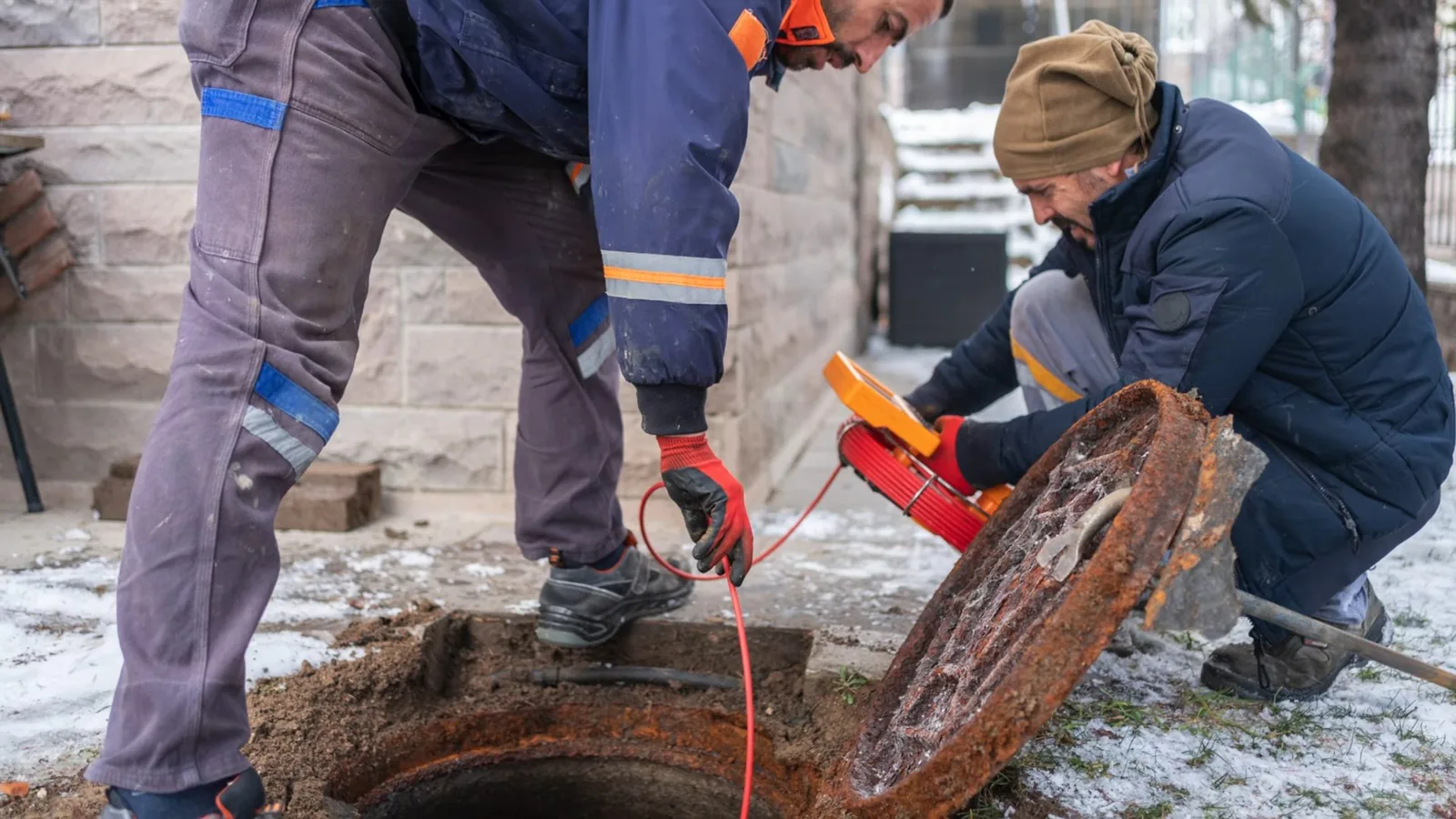
Sewage coming up: do this before anything else
- Stop running water. No washers, dishwashers, showers or flushing until you know where the blockage is.
- If it keeps backing up after that, call Charlotte Water at 311 or 704-336-7600. Its backup guidance says the city helps when the blockage is in a public manhole or sewer main.
- Keep children and pets out of the affected room. Sewage water is not clean water.
- Photograph the backup and note when it started. It helps your insurer and the plumber.
- Then call a plumber if Charlotte Water does not find a problem in the main.
If the floor is wet, cleaning up after a sewage backup is a separate call, and sewage-contaminated materials should not be handled without protective equipment.
Whose line is it? The meter, the cleanout and the property edge
Charlotte Water says that if the blockage is in your private plumbing, the city cannot assume responsibility for it or its repair.
Charlotte Water’s pages do not state the exact boundary for existing homes. Ask Charlotte Water where the public part ends at your address before you pay for any dig.
| Situation | Who handles it | What to do |
|---|---|---|
| Blockage in the public main or a manhole | Charlotte Water | Call 311 or 704-336-7600 |
| Blockage or break in the line on your property | You | Call a plumber, ideally with a camera |
| Backup that stops when you stop using water | Likely your line | Call a plumber |
| Neighbors report backups at the same time | Possibly the public main | Tell Charlotte Water when you call |
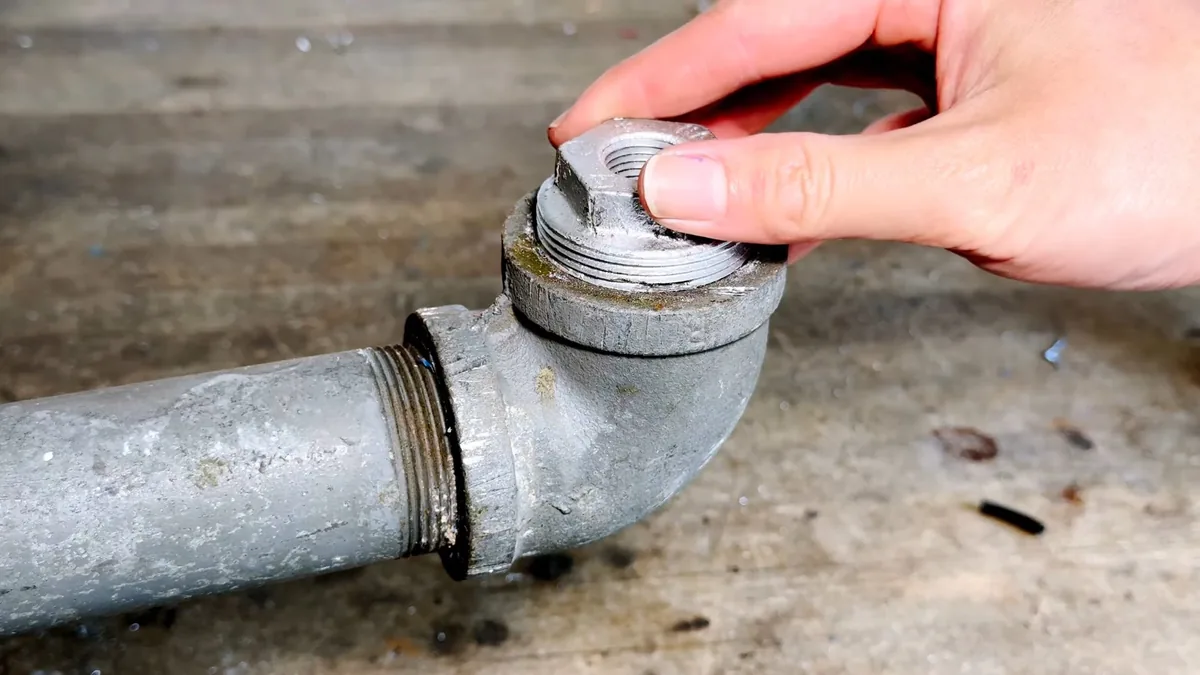
What the camera should show you before anyone digs
A camera inspection turns a guess into a finding. It is the single most useful step, and it should come before any repair estimate.
- Ask for the footage, or stills with a note of where each was taken.
- Ask how far from the cleanout each problem sits, in feet.
- Ask what the pipe is made of and whether it changes along the run.
- Ask what the defect is: roots, a crack, a joint that has slipped, a low spot holding water or a collapse.
- Ask whether the problem is local or along the whole line.
Older lines often have older materials, and the camera shows what yours actually has.
Sewer line repair Matthews homeowners are quoted should start from camera footage that shows whether the pipe is cracked, rooted or collapsed.
Clear the line, repair a section or replace the run?
Three outcomes cover most sewer jobs, and the camera decides between them.
- Clear it: the pipe is sound and the blockage is grease, paper or a soft root mass. See jetting a stubborn main line when a cable is not enough.
- Repair a section: one short run is cracked, offset or invaded by roots, and the rest looks sound.
- Replace the run: the pipe has collapsed, has several bad joints or holds water along a long stretch.
Roots return if the pipe stays open at a joint. Cutting them out clears the line for a while. It does not close the entry point. If the camera shows that, ask what the repair will do about it. A lining approach, when the pipe allows it, is explained on trenchless pipe lining.
Before the dig: 811, permits and who may do the work
NC811 asks you to contact 811 three working days before you dig. Its FAQ says utilities mark publicly managed underground lines, and the page does not say whether private lines are included. Ask your plumber how they will locate your own line.
Ask whether the work needs a permit and who files it. Plumbing work for pay is regulated in North Carolina, so ask for license information before work begins.
Not sure where the problem is? Describe the backup and which drains are affected.
Call (833) 571-0120Commercial and multi-unit sewer lines
A building with several units has a shared line, and the owner or property manager decides who calls. Tell the manager as soon as a backup appears, because a backup in one unit often shows in the lowest one.
Restaurants add grease to the picture. See plumbing for Matthews businesses for the Charlotte Water grease rules that apply to a kitchen.
Main-line cleaning versus lateral repair
Cleaning the main line clears what is in it. A lateral repair fixes the pipe itself. A line cleared with a cable or water jet and then inspected by camera tells you which one you need. If the camera finds clean, sound pipe, the cleaning was enough. If it finds a crack or an offset, the repair is the next step.
Roots, grease and age: the usual causes
Most private sewer problems come from a short list of causes. Knowing which one you have changes the repair.
- Roots: fine roots enter at joints and cracks, then thicken into a mat that catches paper.
- Grease and wipes: they build up on pipe walls and in bends, and cause repeat blockages in the same spot.
- Ground movement: a joint slips, a section sags or a low spot holds water and solids.
- Age and material: old clay, cast iron and thin-wall pipe crack, scale or collapse as they wear.
A line that backs up once and clears may have had a one-time cause. A line that backs up every few months has a defect that cleaning does not remove. Ask the plumber which pattern the camera shows.
Keep a short log of each backup, with dates and which drains were affected. A pattern in that log helps the plumber find the defect faster.
What to ask before you approve a repair
- Can I see the footage that shows the problem?
- What is the repair method, and why that one over the others?
- How much of the line will be replaced, from where to where?
- Will a cleanout be added so the line can be cleared later?
- What will be restored afterward: soil, pavers, concrete or landscaping?
- Does the work need a permit, and who files it?
- What does the warranty cover, and for how long, in writing?
A clear answer to each of these is a good sign. A vague answer to the first two is a reason to get a second camera look before you commit.