
Matthews, NC · Water removal and drying
Water damage restoration in Matthews, NC after a burst pipe, backup or leak
Standing water, a soaked ceiling or a floor that will not dry? Call (888) 681-3447 and describe what you see. The sooner the water is out and air is moving, the less you lose.
This service covers what comes after the water is stopped: removing water, drying the structure and, if drying came too late, removing mold. Rebuilding walls, floors and ceilings is a separate trade and is not part of it.
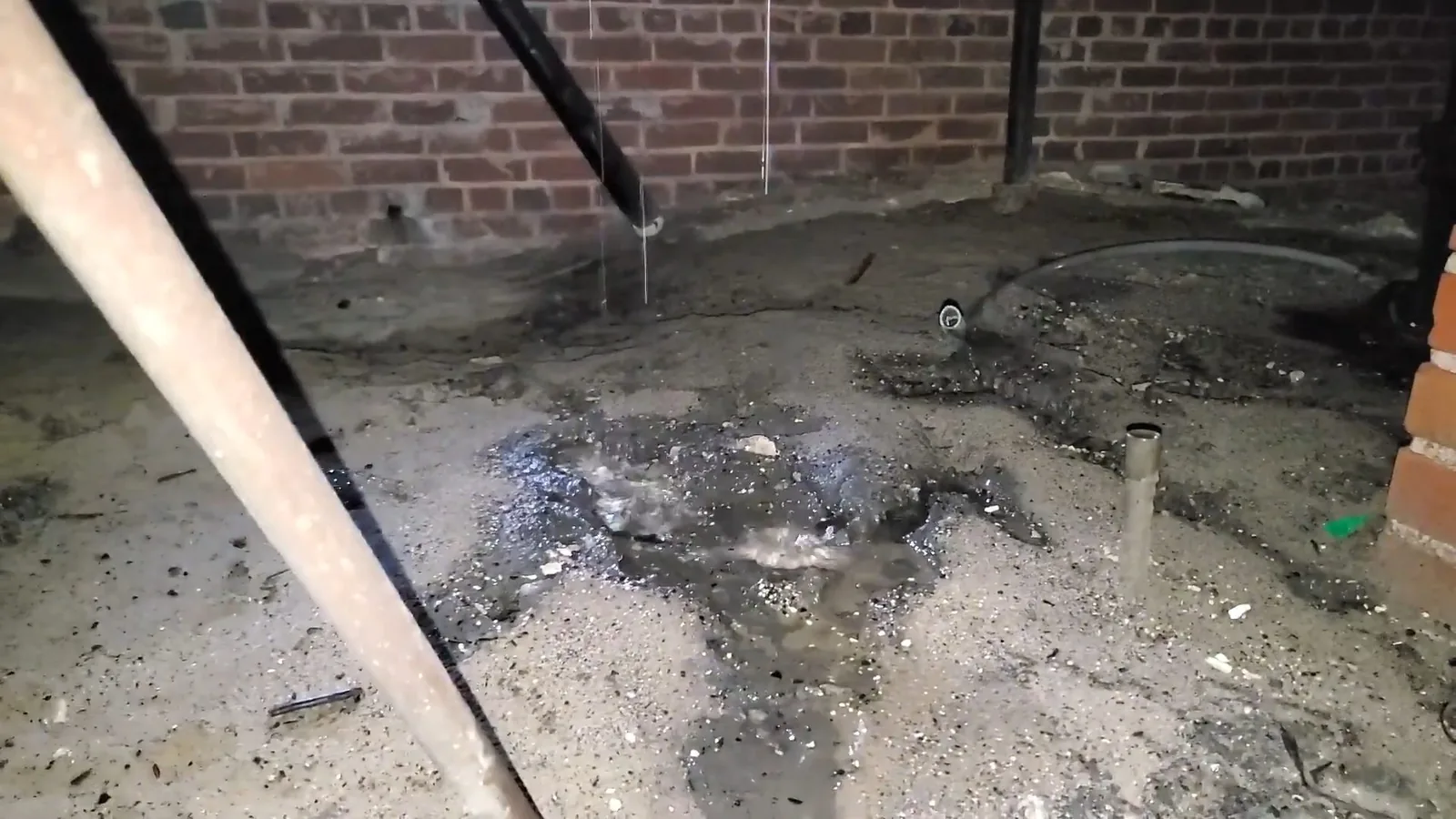
Stop the water first, then call about the damage
Nothing dries while water is still coming in, so the order matters. These steps are safe in most homes.
- Close the master shutoff valve. Charlotte Water says it sits on the house side of your meter, inside the house.
- No master valve? The account holder can ask Charlotte Water to shut the water off at the meter by calling 311 or 704-336-7600.
- Stay out of standing water near outlets, appliances or the electrical panel. If water reached them, leave the room and call 911.
- Photograph and video everything before you move it: the source, the wet surfaces and the contents.
- Lift small items out of the water and pull rugs off wet floors, if it is safe to do so.
If a split pipe caused this, repairing the split pipe fixes the source. Drying starts the moment the water is off.
Water is off and the floor is still wet? Describe it and we will tell you what to do next.
Call (888) 681-3447Dry within 48 hours: what the clock means for carpet, wood and walls
The EPA says that in most cases mold will not grow if wet or damp items are dried within 24 to 48 hours. That is why the first call matters more than the first estimate.
Different materials give you different amounts of time, and the table shows what usually happens to each.
| Material | What usually happens | What decides the outcome |
|---|---|---|
| Carpet and pad | EPA says to dry carpet and backing within 48 hours. Wet pad is often pulled so the carpet and floor can dry. | How long it stayed wet and what the water carried |
| Hardwood and wood flooring | Boards swell and cup when they stay wet. Drying equipment can save some floors. | Moisture readings across the boards, not how the surface looks |
| Ceilings | Wet ceiling drywall can sag and hold water. Opening a small section lets it drain and dry. | Whether the water came from clean supply lines or something worse |
| Walls and baseboards | Drywall and insulation can stay wet behind a dry-looking surface. Readings show where. | Moisture meter results taken at several heights |
Ask for moisture readings on the first visit, readings at each return visit and a written note of the final dry reading. A job is dry when the numbers say so, not when the fans go quiet.
Is it clean water, or a sewage problem?
The source changes the whole job. Water from a broken supply line is one thing. Water that came up through a floor drain or a toilet is another.
The EPA says that if water may be contaminated with sewage or other pollutants, protective equipment and containment are required by OSHA, and an experienced professional should be consulted. Do not wade in or run a wet vacuum through it yourself.
Charlotte Water’s advice for a backup is specific. If it continues after you turn off water-using appliances, call 311 or 704-336-7600. If the blockage is in the public main, Charlotte Water assists. If it is in your private plumbing, the city says it cannot assume responsibility for the blockage or the repairs, so a plumber clears it.
Clearing that blockage is the work of clearing or repairing the sewer line or clearing a clogged drain, depending on where it sits. Porous materials that sewage touched, such as carpet and pad, are usually removed rather than dried.
Mold: what to do if it has already started
The EPA sorts mold jobs by size: under 10 square feet is small, 10 to 100 is medium and over 100 is large. For medium and large jobs it says a remediation manager should be selected.
If drying came late and mold has formed, mold removal is part of this service. Mold testing and rebuilding are not.
- A musty smell in a room that was wet is a reason to call, even with nothing visible.
- Do not paint over or seal a wet wall. It traps moisture and hides the problem.
- Keep a note of when the water arrived. It tells the technician how long materials stayed wet.
- If anyone in the home has breathing problems, ask a healthcare professional before cleanup begins.
Will insurance pay, and what should you keep?
That depends on the cause, and your insurer decides. Mecklenburg County Storm Water Services warns that regular homeowner and renter insurance does not cover weather-related flooding. Flood coverage is a separate policy, available through the National Flood Insurance Program.
A pipe that bursts inside the house is a different kind of loss from a creek that rises. Do not assume one or the other. Tell your insurer what happened before you discard anything.
- Photograph the source and the damage before cleanup.
- Keep samples of badly damaged flooring or drywall until the adjuster has seen them.
- Make a list of damaged contents with rough ages.
- Keep the drying readings and the plumber’s report together in one folder.
To see whether your address sits in the regulated floodplain, the county offers a 3D Floodzone Map through the same flood safety page.
Business and rental water damage: lease, manager and drying
A leaking sprinkler line, a failed supply hose or a toilet overflow can soak a floor plate in an hour. Shut the water off, tell the property manager and keep tenants out of wet areas.
If you lease, the lease decides who calls and who pays. Large floors are dried in sections so the business can keep operating where possible, and readings are mapped so each area is signed off separately.
For recurring problems, scheduled maintenance for a business reduces the chance of a repeat.
After the water is out: one call for the plumbing, one for the rebuild
Drying ends when the readings say so, and then the leftover questions begin. If you still do not know where the water came from, tracing a hidden leak comes before any repair.
Rebuilding comes last. Ask the contractor to wait for the final dry reading before closing walls or laying new flooring. Closing a wet wall is how a small problem becomes a mold problem.
Not sure how wet is too wet? Call and describe the room.
Call (888) 681-3447