
Matthews, NC · Running, clogged, leaking and replaced toilets
Toilet repair in Matthews, NC for running tanks, clogs and leaks at the base
A toilet that runs on its own, clogs again or leaves water around the base? Call (833) 571-0120 and tell us what you see. Most toilet problems come down to a few parts.
A running toilet is a leak you cannot see. It is also one of the easiest to find, because a few drops of dye give the answer.
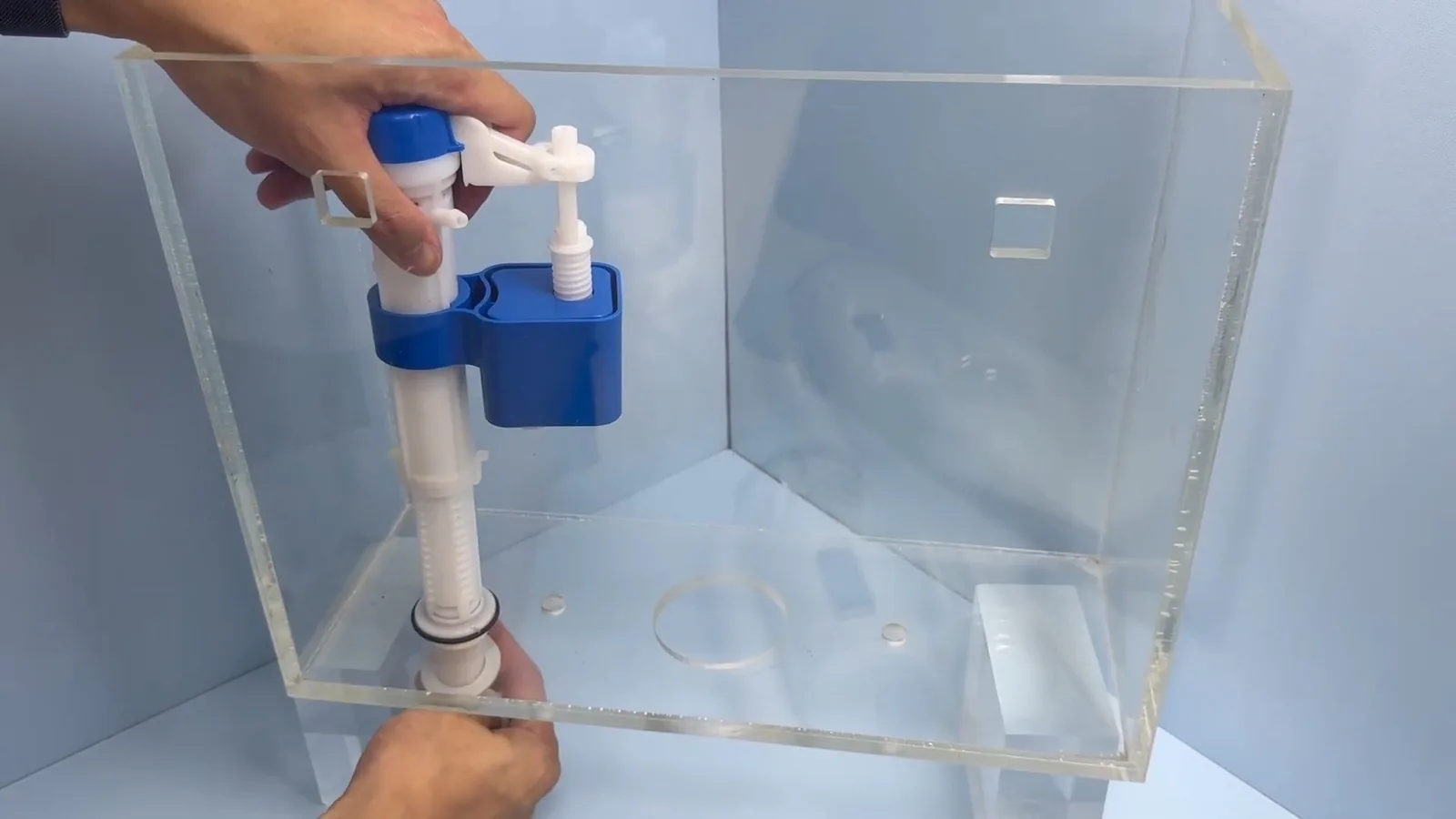
Is it running? The dye test
The EPA’s leak guidance gives a simple test. Put a drop of food coloring in the tank. If the color shows up in the bowl within 10 minutes without flushing, you have a leak. Flush as soon as the test ends so the dye does not stain the tank.
- Remove the tank lid and add a few drops of food coloring.
- Do not flush. Wait ten minutes.
- Check the bowl. Color in the bowl means water is leaking past the flapper.
- Flush to clear the dye.
- Call if the color showed up, or if you hear the tank refilling on its own.
A silent leak shows up on the water bill, not the floor. If the dye stays in the tank and the meter still moves, the leak is elsewhere. See finding the leak behind a high bill.
The usual parts: flapper, fill valve and flush valve
| Part | What it does | Symptom when it fails |
|---|---|---|
| Flapper | Seals the tank bottom until you flush | Tank refills by itself, dye shows in the bowl |
| Fill valve | Refills the tank to the right level | Hissing, water running into the overflow tube |
| Flush handle and chain | Lifts the flapper | Weak flush, handle that sticks or hangs |
| Wax ring or seal | Seals the toilet to the floor drain | Water or smell at the base |
The EPA says flappers wear out or collect mineral buildup, and that it is usually best to replace the whole rubber flapper. It describes this as a relatively easy job. If the tank is cracked or the parts are corroded, a replacement of the toilet is the sounder choice.
Water at the base of the toilet
A puddle at the base can be a loose supply line, a sweating tank in humid weather or a failed wax ring. Dry everything, wrap dry tissue around the base and the supply connection, and see which gets wet.
A failed wax ring means the toilet has to be lifted and reset. Ask the plumber to check the floor around the flange for soft spots, because water that has been getting in for a while can damage the subfloor. If that is a possibility, see drying out a wet floor.
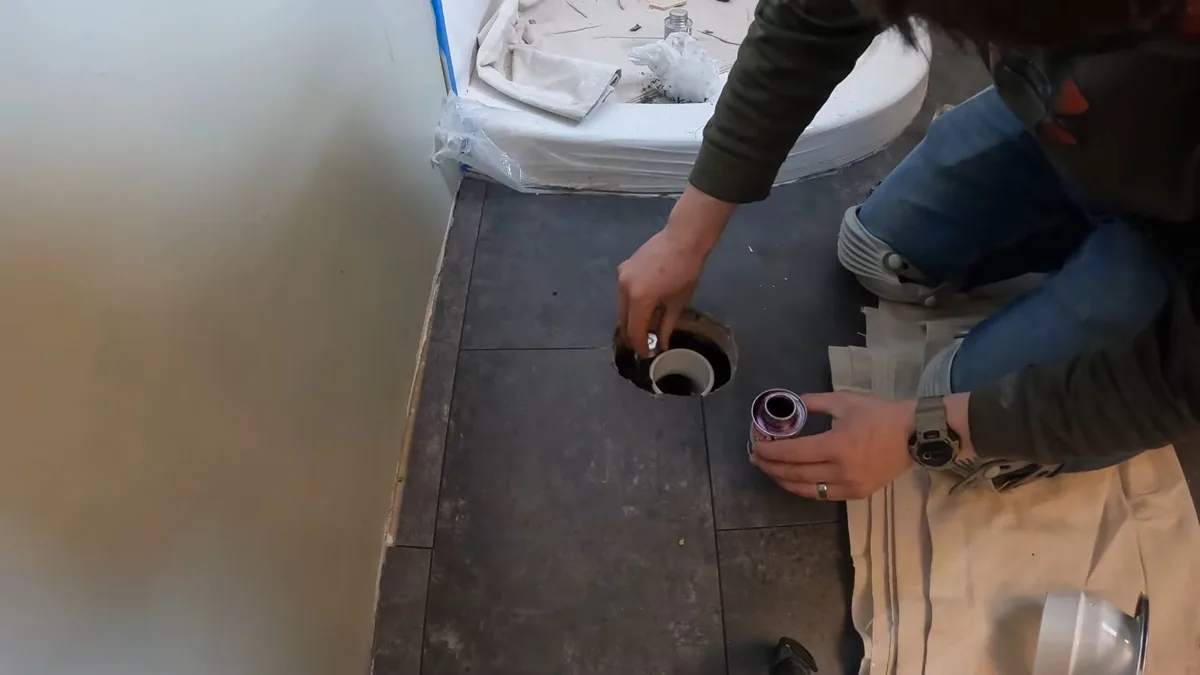
A clogged toilet: when a plunger is enough
Use a flange plunger with a good seal and a steady push and pull. If the water rises toward the rim, stop flushing and shut the supply valve behind the toilet. One clogged toilet usually means a local blockage. If more than one fixture is slow or gurgling, the main line may be involved.
Charlotte Water says that when a backup continues after you turn off appliances, call 311 or 704-336-7600. A blockage in private plumbing is for a plumbing contractor. Wipes, paper towels and anything not designed to flush are the most common cause.
Replacing or relocating a toilet
Toilets with the WaterSense label use less water per flush. The EPA estimates a family replacing older toilets with labeled models could save about 13,000 gallons a year. Ask what flush rating the new toilet has and what height and bowl shape suit your household.
Moving a toilet changes the drain and sometimes the vent, which is bigger work than a swap. Ask whether it needs a permit and which office issues it for your address.
Toilet running, leaking or blocked? Call and say what you see.
Call (833) 571-0120What to ask before a toilet job
- Will you replace the flapper and fill valve together?
- Will you check the supply line and shutoff valve?
- Do you reset with a new wax ring or seal?
- Will you check the floor for soft spots?
- What does the work cover if the toilet needs to come out?
These questions keep a quick fix from becoming a repeat visit.
A weak flush or a toilet that will not stop filling
A weak flush can come from a partly clogged rim, a low water level in the tank or a flapper that closes too soon. A toilet that keeps filling usually has a worn fill valve or a float set too high, which sends water down the overflow tube.
Lift the tank lid and look. If water is flowing into the overflow tube, lower the float or replace the fill valve. If the tank is half empty after a flush, check the supply valve behind the toilet to make sure it is fully open.
High-efficiency and dual-flush toilets
A newer toilet can flush well on less water, but not every model works the same in every house. Bowl shape, trapway size and the drain line all affect results. Ask the plumber what they have seen work in similar houses.
A dual-flush toilet has two buttons for different volumes. Ask whether the repair parts are readily available and whether the unit fits the rough-in distance in your bathroom, which is the measure from the wall to the drain.
Keep the next clog from happening
- Flush only toilet paper and human waste.
- Keep wipes, even ones marked flushable, out of the toilet.
- Use a plunger first and a chemical cleaner never.
- Fix a running toilet quickly, since the leak pushes the fill valve to wear out.
- Know where the supply valve is, and test that it turns.
If a toilet clogs again soon after being cleared, the line may have a problem further on. Ask for a camera look instead of buying another plunger.
Wipes, even ones sold as flushable, are a common reason for repeat clogs. They do not break down the way toilet paper does, and they collect in the trap and the line. Keep a small bin by the toilet and keep wipes out of the bowl. If the toilet clogs again soon after a clear-out, the cause may be farther down the line, and a camera look can show it.