
Matthews, NC · Relining a sewer line without digging it up
Trenchless pipe lining in Matthews, NC: when relining beats digging up the yard
A cracked sewer line under a driveway, a tree you would rather keep or a line that roots keep entering? Call (833) 571-0120 and ask whether relining fits your pipe.
Lining is not a fix for every sewer line. It works on some pipes and not on others, and a camera inspection is how you find out which yours is.
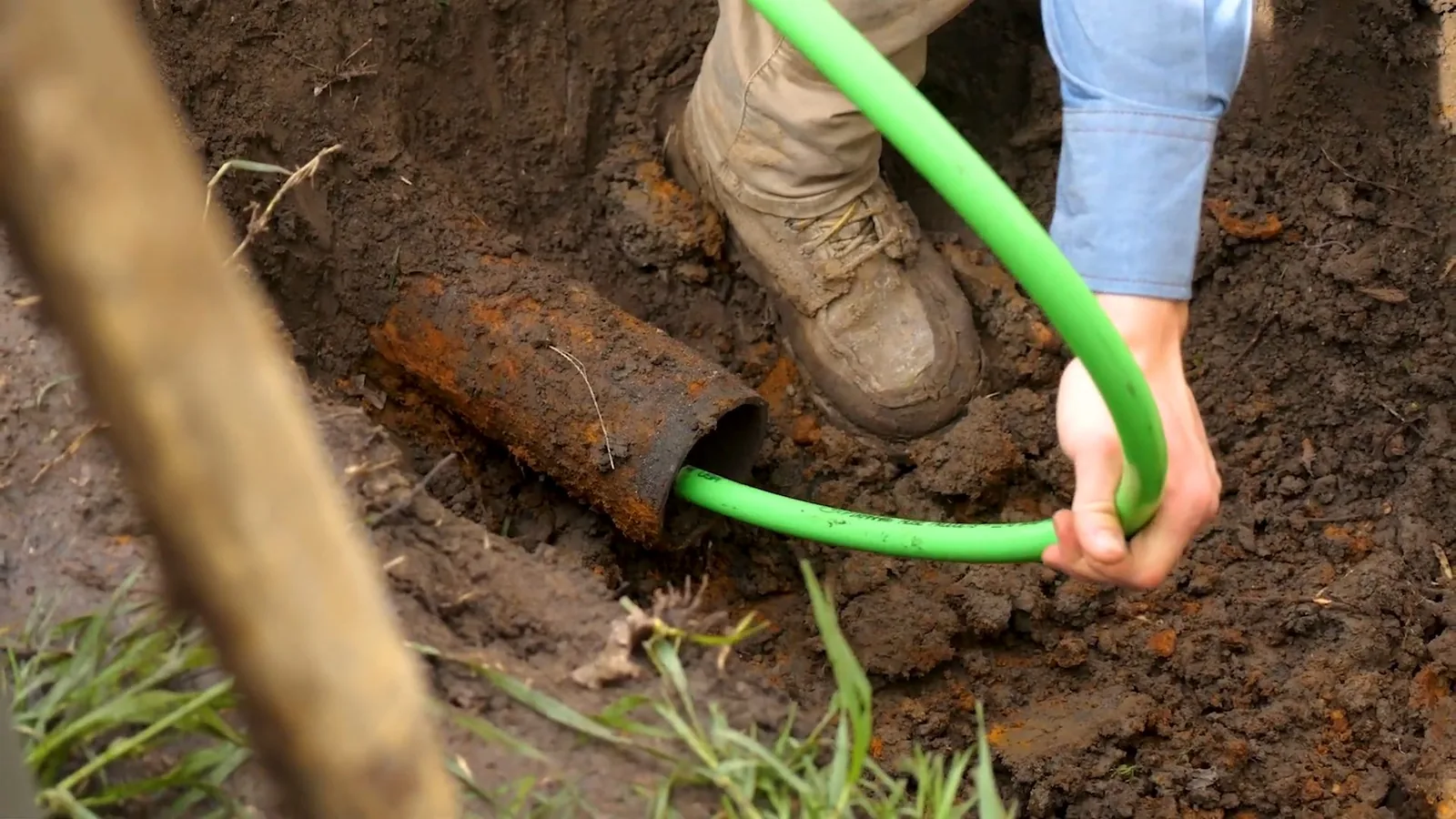
Is lining even possible for your pipe?
The City of Portland describes cured-in-place pipe lining as suitable for short and long runs of pipe that do not need to be upsized. A flexible liner goes inside the old pipe, is hardened, and leaves a smooth new surface inside the old one.
The conditions that stop a liner are the ones a camera finds first. Charlotte Water’s specification for lining service laterals says the interior must be inspected for conditions that could prevent installation, and lists solids, dropped joints and collapsed pipe as obstructions that conventional cleaning cannot remove.
| Finding | Lining is likely to work | Digging is more likely |
|---|---|---|
| Cracks or open joints, pipe still round | Yes, after cleaning | |
| Roots entering at joints | Yes, once roots are cut out | |
| Collapsed section or dropped joint | Yes, that section needs excavation | |
| Pipe that must be a larger size | Yes, lining does not enlarge a pipe | |
| Bends or dips the liner must pass through | Depends on the liner and the bend | Depends on what the camera shows |
That table describes tendencies, and your plumber’s camera footage decides your case.
What happens in a lining job, step by step
- The line is cleaned. Roots and debris are removed so the liner can pass.
- A camera records the pipe before lining.
- A resin-soaked liner is pulled or inverted through the pipe from a cleanout or access point.
- The liner is inflated against the old pipe wall and hardened with heat or light.
- Connections are reopened, and the finished liner is inspected by camera.
Charlotte Water’s own specification for its contractors requires the lateral to be cleaned, televised before lining and televised again after curing, with a watertight seal at the connection. Those are reasonable things to ask of any contractor working on your line.
Lining day at home: notice, water limits and a plastic smell
Portland’s homeowner notice is one city’s account, and your job may differ, so ask your contractor for the same details. Residents are notified 24 to 48 hours ahead and asked to limit water use for one to several hours while the liner cures.
It also describes a smell like plastic or glue that fades quickly. Pour a little water into floor drains and rarely used sinks so the traps block sewer odors from entering the house.
Want to know whether your line is a candidate? Describe the problem and the age of the house.
Call (833) 571-0120Questions that separate a good lining job from a poor one
- Will there be a camera look before and after, and do I get both recordings?
- How will roots and debris be removed first?
- Is there a cleanout, and does one need to be added?
- How will the connection to the house and to the main be sealed?
- How long will the line be out of service?
- What happens if the camera finds a collapsed section partway through?
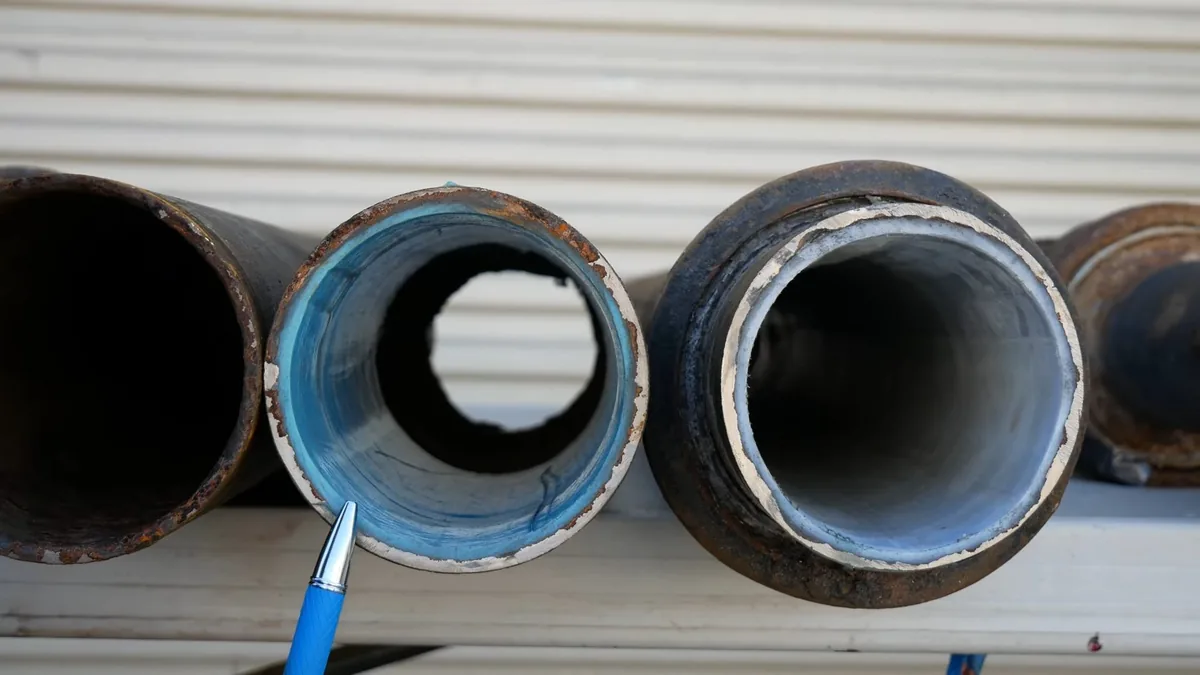
Comparing a lining quote with a dig quote
Do not compare the two on price alone, and do not accept a quote without the footage behind it. The numbers differ because the work differs.
- Pipe condition: lining needs a pipe that is still round and can be cleaned.
- Length and access: a longer run or a hard-to-reach cleanout changes the plan.
- What sits above the pipe: driveways, patios and trees raise the cost of digging.
- What gets restored: digging means repaving or replanting, and the quote should say who handles it.
If you have not had an inspection yet, start with the camera findings for a private sewer line.
Lines under a slab or a house
A line that runs under the house has the same logic: clean it, inspect it and decide whether it can be lined. The method also applies to some water lines. The leak side of that is covered under slab leak repair, where lining overlaps with rerouting.
When a liner is the wrong answer
Lining has limits, and an honest contractor says so. A pipe that has collapsed, that has a joint dropped out of line or that holds a large offset has to be dug. A pipe that needs to be larger cannot be lined, because a liner makes the bore slightly smaller, not larger.
Some lines are fine to line in one section and need a dig in another. A good plan says where each method applies and why. If a contractor promises lining without a camera look, treat the promise as a guess.
- Ask what happens if the camera finds a collapsed section partway through.
- Ask whether a spot repair plus lining is a better fit than lining alone.
- Ask who decides when a line cannot be lined, and when.
Whatever the answer, the decision should rest on footage you have seen. Lining is a good tool when the pipe suits it, and a poor one when it does not.
Cleanouts, access and what the house needs
A liner goes in through an opening, usually a cleanout. If your line has none, one may need to be added first. Ask where it will go and whether it will sit in a lawn, a planting bed or a paved area.
Before the job, move cars from the driveway, clear the yard near the access point and tell your plumber about septic tanks, wells or private lines that share the route. After the job, keep the camera recording with your house records. It shows the condition of the line on the day the liner went in.
Before the crew arrives, clear the area around the cleanout and any fixtures that will serve as access. Tell everyone in the house when water use has to stop, because the pipe has to stay empty while the liner cures. Ask how long that is for your line and where the crew will set up equipment on your property. Planning these details ahead keeps the day short and avoids a surprise at the door.