
Matthews, NC · High-pressure water for grease, scale and roots
Hydro jetting services in Matthews, NC: is a high-pressure line cleaning right for your pipes?
A main line that clogs again a few weeks after a cable visit? Call (833) 571-0120 and ask whether jetting makes sense for your pipe. It clears more than a cable does, but not every pipe can take it.
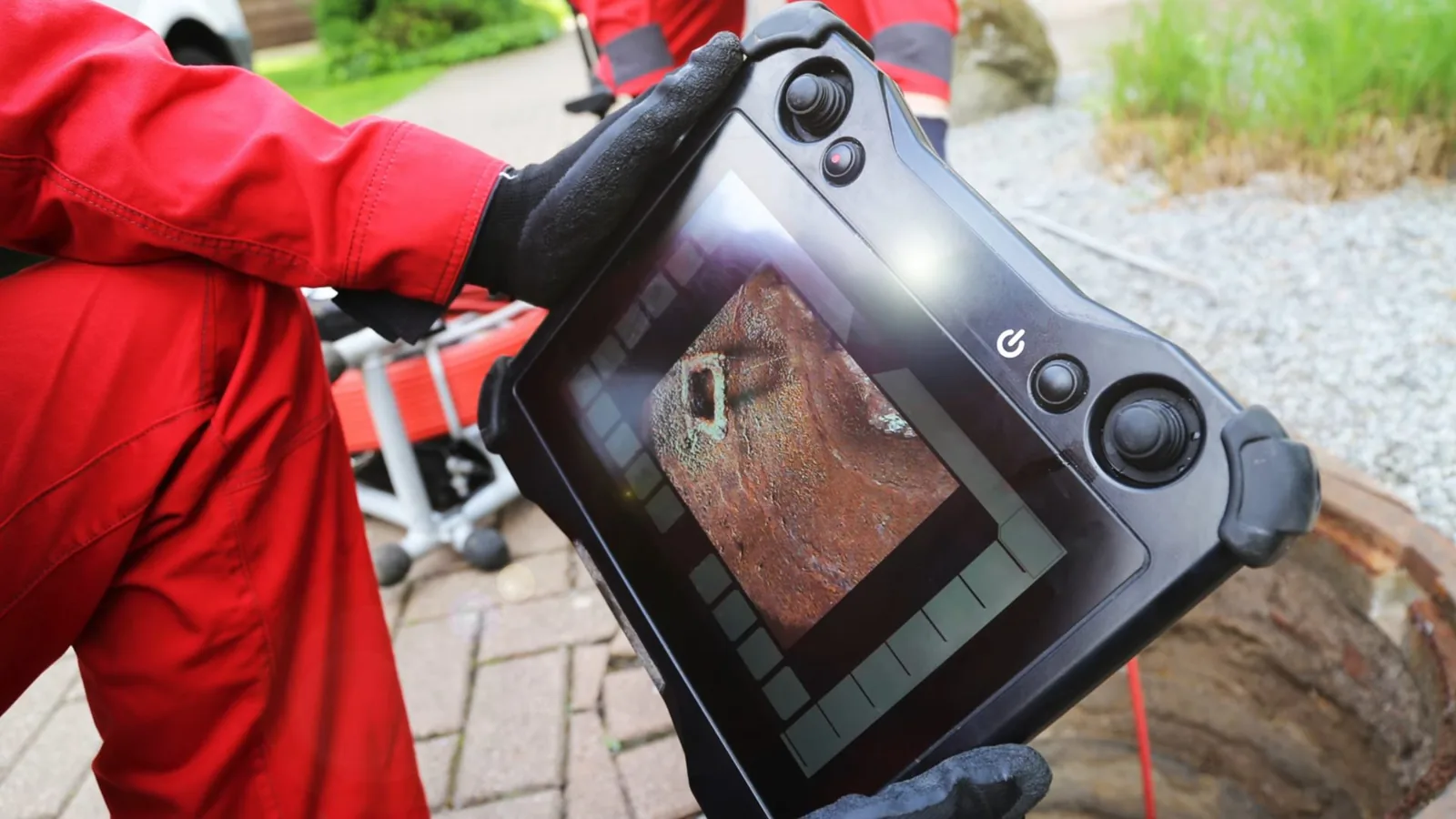
The deciding step is a camera look. Pressure that scours a sound cast iron or plastic line can make a cracked clay one worse.
Jetting, snaking and when each one fits
A cable cuts through a blockage and pulls some of it out. Jetting sends high-pressure water through a nozzle that scours the pipe wall. One plumbing contractor describes jetting as breaking apart grease, minerals and roots and removing them more completely than a cable that can push through a clog and leave material behind.
That difference matters when the line keeps clogging at the same spot. A cable opens a hole through the blockage. Jetting cleans the wall around it.
| Situation | Cable is usually enough | Jetting is worth asking about |
|---|---|---|
| One sink or tub that is slow | Yes | |
| A main line that backs up again within weeks | Yes | |
| Grease built up on pipe walls | Yes | |
| Roots entering at joints | Cuts the roots | Clears the debris after cutting |
| A pipe the camera shows is cracked or collapsed | No, repair first |
What a camera should show before the pressure goes on
The same source warns that high pressure can make existing weaknesses worse in badly damaged pipes, and names clay and old polybutylene as more fragile materials. It says cast iron holds up when it is in good condition.
That is the reason to ask for a camera look first. Do not accept jetting on a line nobody has seen inside.
- Ask what the pipe is made of and how you know.
- Ask for footage of the run, not just the section near the cleanout.
- Ask what the camera shows at the joints: roots, offsets, cracks or scale.
- Ask what pressure will be used and why that setting suits this pipe.
- Ask what happens if the camera finds damage mid-job.
Grease: the cause jetting handles best
Fat, oil and grease cool as they travel through the pipe and coat the walls. A kitchen line that clogs every few months is often building a layer that a cable never removes. Jetting strips the layer.
The fix does not last if the habit continues. Wipe pans before washing, keep grease out of the sink, and treat a repeat clog as a sign to ask about routine drain maintenance. A restaurant should ask about commercial plumbing service, where grease interceptor rules apply.
Same line, same clog, every few weeks? Call and describe the pattern.
Call (833) 571-0120Roots and old joints
Roots enter where a pipe joint has opened. A cable or a cutting head clears the mass. Jetting then washes out the fine roots and debris left behind. The roots grow back if the joint stays open.
If the camera shows the same joint on every visit, jetting is a maintenance step, not a repair. The next question is repairing the damaged section of sewer line, which may be a short repair or a lining job described under trenchless relining.
Whose line it is, and what to expect on the day
Charlotte Water says that when a backup continues after you stop using water, you should call it at 311 or 704-336-7600, because a blocked public main is the city’s to clear. If the blockage is in your private plumbing, the city cannot take responsibility for it, and you call a plumber.
On the day, expect water use to be restricted for a short time, a hose at the cleanout and a mess of rinse water that the crew should contain. Ask how they will protect the yard and the area around the cleanout.
- Locate the cleanout before the crew arrives and clear the area.
- Move pets and children indoors during the work.
- Ask the crew to show you the camera view after jetting.
- Keep the footage and the invoice with your home records.
Before you book: questions that separate good from poor jetting
- Will a camera inspection come first, and will I see it?
- How will you know the pipe can take the pressure?
- Where will the water go, and how will it be contained?
- What happens if the jetting reveals a break?
- Is there a cleanout, or does one need to be added?
- How do I keep the line from clogging again?
Clear answers matter more than the equipment name. A plumber who can explain what the pipe is made of, what is in it and why this method fits is worth more than one who offers jetting for every clog.
How often, and what jetting cannot fix
Jetting is not a schedule for every house. A line that has cleared once and stays clear needs nothing more. A line with grease buildup may justify a repeat visit after a camera look shows how fast the buildup returns.
Jetting does not repair a crack, close an open joint, straighten an offset or replace a collapsed section. If the camera shows any of those, the line needs a repair, and jetting afterward only cleans what is left. Ask the plumber to separate the two jobs on the quote.
- Jetting cleans. It does not repair.
- A pipe that fails the camera check needs another plan.
- Roots return if the entry point stays open.
- A fixed schedule only makes sense if the buildup is documented.
Hydro jetting in homes, shared rental lines and restaurants
A house with a single main line has one decision to make. A rental or a small multi-unit building has a shared line, and the owner or manager decides who calls and who pays. Tell the manager as soon as a backup appears.
A restaurant or deli has a different pattern: grease arrives daily and the line fills faster. The page on plumbing for restaurants and shops covers the interceptor and the maintenance schedule that go with it, and jetting is one tool inside that plan.