
Matthews, NC · Kitchen, bathroom and main-line clogs
Drain cleaning in Matthews, NC for a clog that keeps coming back
A sink that drains slowly, a tub with standing water or a toilet that gurgles when the washer runs? Call (833) 571-0120 and tell us which drains are affected.
How many drains are slow, and which one, tells a plumber whether the clog is at one fixture or in the line that serves the house.
One drain or every drain? Where the clog is
Run water at a sink, then a tub, then flush a toilet. The pattern points to where the stoppage sits.
| What you notice | Where the clog likely is | First step |
|---|---|---|
| One sink or tub drains slowly | In that fixture’s trap or branch pipe | Clear that drain; a plunger is a fair first try |
| Several drains slow at once | In a branch line shared by those fixtures | Call; this is beyond a plunger |
| Lowest drain backs up, or toilets gurgle when water runs elsewhere | In the main drain line leaving the house | Stop running water and call |
| Sewage backing up into a tub or floor drain | The main line, a private blockage or the public main | Stop using water, then call |
Backups that continue after you stop using water belong to repairing a damaged sewer line when the line itself is damaged. This page handles the clogs that can be cleared.
Drain cleaning Matthews homeowners ask for usually starts with that one question, because a clog in a single fixture and a clog in the main line need different tools.
Plunger, strainer and chemicals: what to try and skip
A plunger, a drain strainer and a little patience clear many single-fixture clogs. Stop there if the water has not moved after a few tries.
- Do try a plunger sized for the drain, with the overflow opening blocked.
- Do remove the stopper and pull out hair you can see.
- Do not mix drain chemicals. They can react and splash.
- Do not run a drain chemical through a drain that is fully blocked. It sits there, and the plumber then works around it.
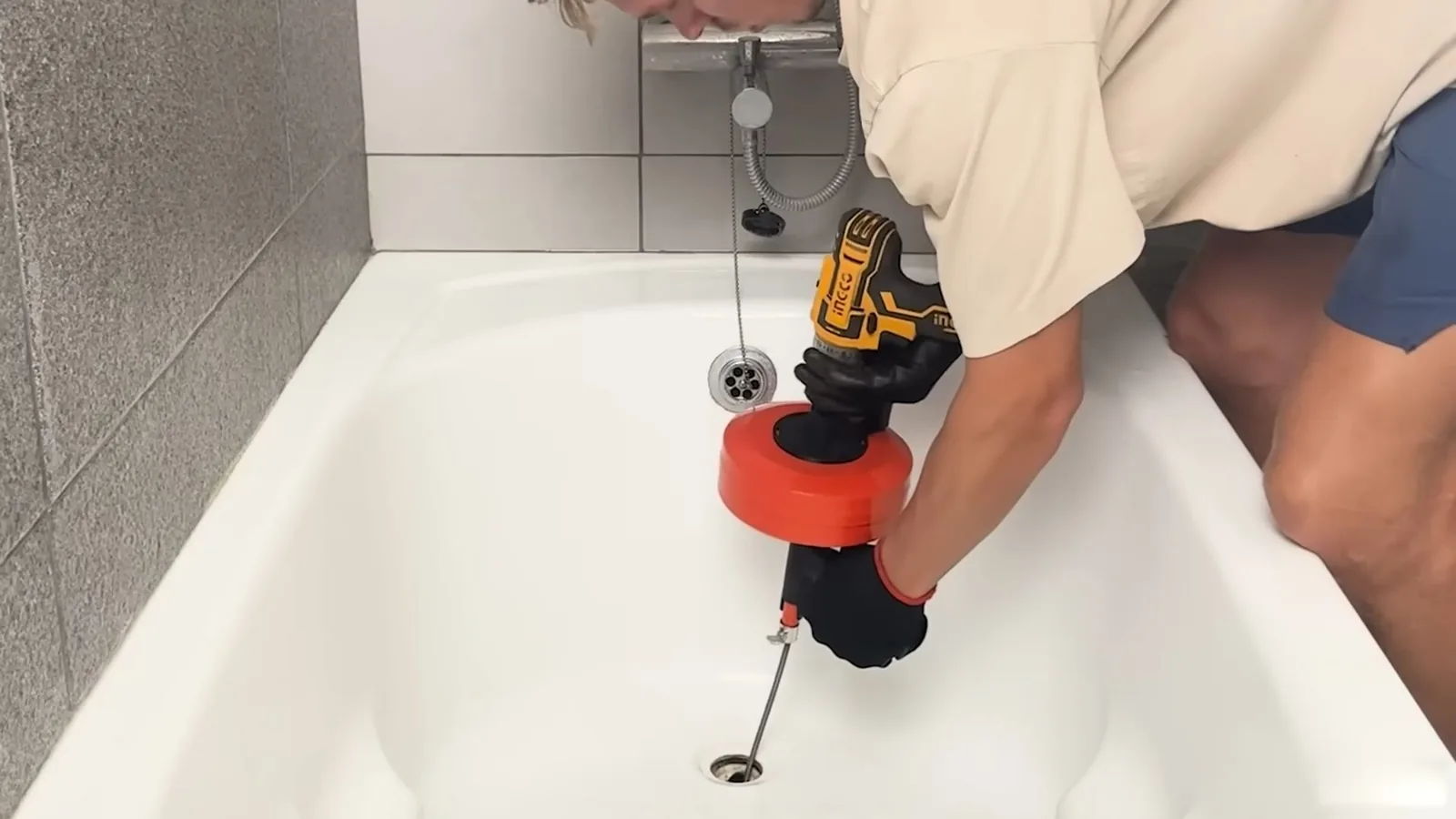
A cable or a cleaning head clears the blockage in the pipe. It does not tell you why the pipe is partly blocked, which is what a camera is for.
Why drains in Matthews homes clog again
Charlotte Water says oils and grease should not go down the drain because grease, fats and oils clog sewer lines, and it responds to more than 200 spills a year caused by grease. Its advice is to pour cooled grease into a can and throw it away.
It also says that even products labeled flushable do not break down in the sewer. Paper towels, wipes, hair, cotton swabs and dental floss do not belong in the toilet. Only toilet paper does.
Those are the two causes behind most repeat clogs: grease in the kitchen line and wipes in the toilet line. A clog that returns every few months usually has a cause that a cable did not remove.
What a camera inspection should show you
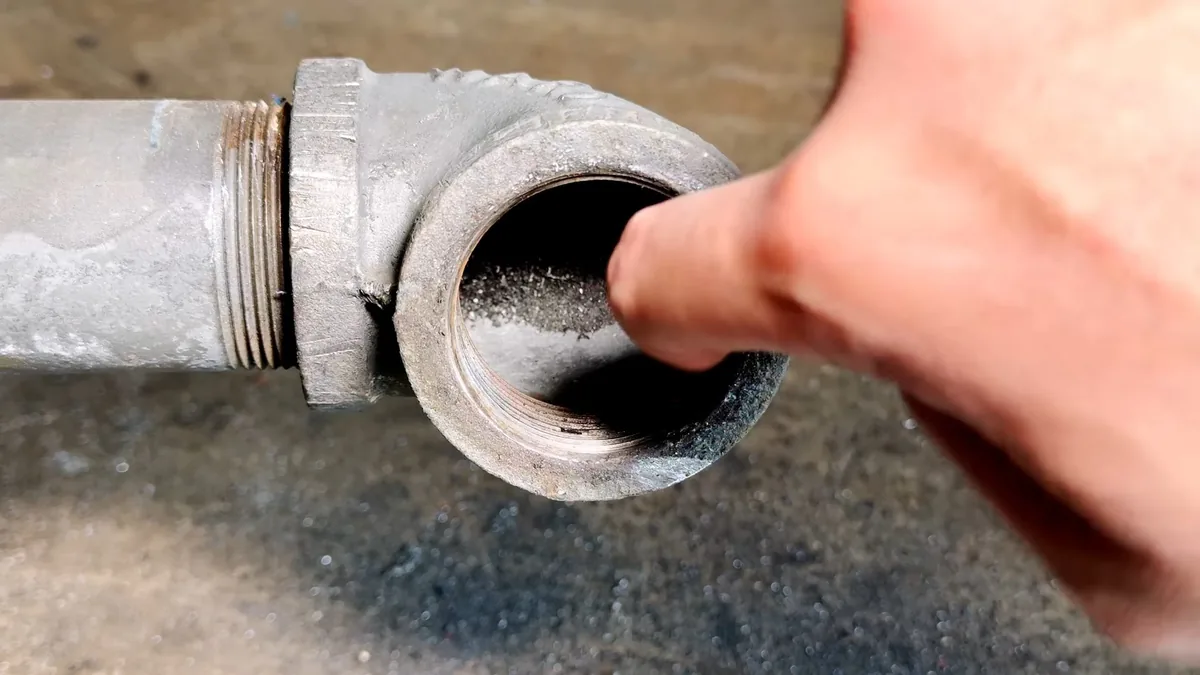
If the same drain clogs twice, ask for a camera look. It turns a guess into a finding. After a clog is cleared, a camera shows what is left in the pipe and what condition it is in.
- Ask for the footage, or at least photos, of what was found.
- Ask where in the line the problem sits and how far from the cleanout.
- Ask whether the pipe is damaged or only dirty.
- Ask whether the next step is cleaning, repair or lining.
If the pipe is scaled or full of grease, hydro jetting scours it clean. If it is cracked or invaded by roots, the answer moves to the sewer pages.
Your line, or Charlotte Water’s main?
The Charlotte Water page on backups draws the line plainly. If a backup continues after you turn off water-using appliances, call 311 or 704-336-7600. If the blockage is in a public manhole or sewer main, Charlotte Water assists. If it is in your private plumbing, the city says it cannot assume responsibility for the blockage or its repair.
In that case you call a plumber. If neighbors have the same problem at the same time, tell Charlotte Water when you call.
Water backing up in more than one place? Stop using water and call.
Call (833) 571-0120Kitchen sinks, disposals and basement floor drains
A kitchen sink that drains slowly is often grease and food residue in the line. A disposal makes it worse because it turns scraps into material that settles. If the disposal itself is stuck or humming, see garbage disposal repair first.
A floor drain that backs up has a different cause. It is lower than most other fixtures, so it shows trouble first. If the floor drain gurgles when you run a washer or flush a toilet, the main line is the likely culprit.
Floor drains also dry out. A dry trap lets sewer gas up into the room. Pour water into a floor drain that has not been used in a while, and call if the smell returns.
Yard drains, downspouts and street storm inlets
Mecklenburg County Storm Water Services says to clear storm drains and gutters around your home before stormy weather, and to report blockages through the CLT+ app or 311. A blocked inlet in the street is a public problem. A blocked drain in your yard, a pop-up emitter or a downspout line is yours.
Clearing covers the pipe from the inlet to where it leaves. Installing new drainage, such as a French drain, is excavation work and is not part of this page.
After a heavy rain, check where your downspouts discharge. Water that pools against the foundation or runs toward a drain can overwhelm it, and a drain that was never clogged can look clogged because it is simply full.
Restaurants and food service drains
Kitchen drains clog from grease first. Clearing the line is one task. Meeting the grease rules for a food service business is another, and it has its own requirements. Those are covered under commercial kitchen plumbing.
Grease is the usual cause. Fat that goes down a kitchen drain cools and sticks to the pipe wall, and the buildup narrows the pipe until it blocks. A restaurant or deli has a bigger problem than a home because the volume is higher and the drains carry more fat. The rules for grease traps and interceptors are covered on the commercial maintenance page. The plumber should tell you whether your blockage is grease or something else before cleaning.